The Ultimate Residential Drain Cleaning Tacoma Guide for Local Homeowners
@caidenbejl913
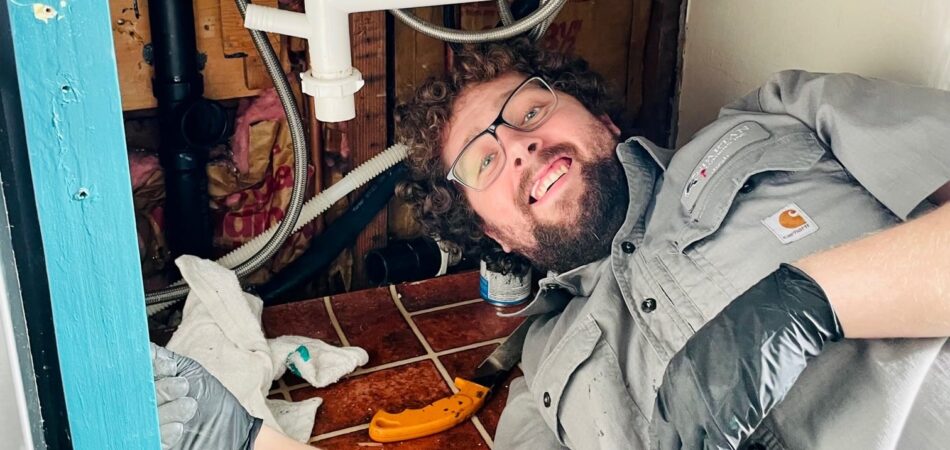
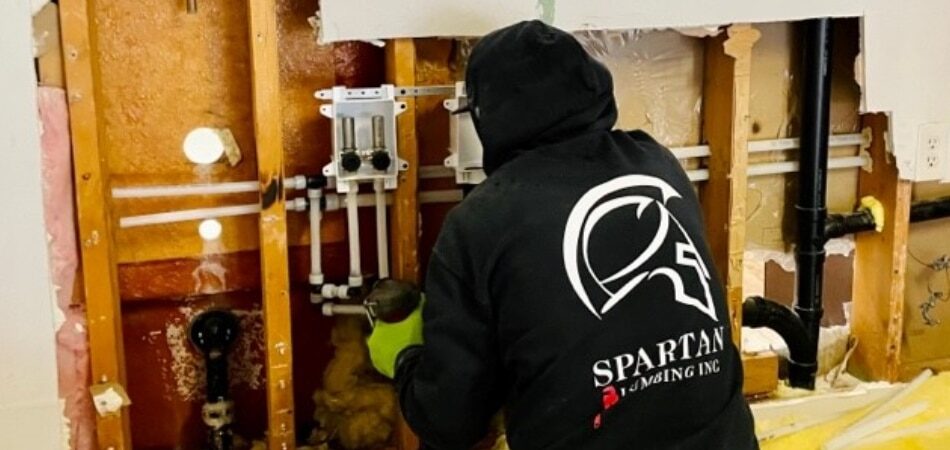
Tacoma homes ask a lot from their drains. Between older neighborhoods with mature trees, long stretches of wet weather, shifting soil, and a mix of historic and newer plumbing systems, even a well-kept home can run into drainage problems sooner than expected. A slow kitchen sink may look minor at first. Then the bathroom starts gurgling, the tub drains lazily, and one rainy weekend you notice a floor drain smelling sour. At that point, what looked like a nuisance becomes a house-wide warning.
That is why Residential Drain Cleaning Tacoma is not just a once-in-a-while emergency service. For many local homeowners, it is part of sensible home maintenance, right alongside roof care, gutter cleaning, and furnace service. The key is knowing what causes drain trouble here, what you can safely handle yourself, when to call a pro, and how to avoid the kind of damage that leads to torn-up landscaping or repeated backups.
I have seen the same pattern play out in Pacific Northwest homes for years. A homeowner tries a quick chemical cleaner, the line clears for a week, and the clog comes right back because the real problem never left. Grease stuck farther down the kitchen line. Hair and soap sludge packed into an older bathroom branch. Root intrusion gripping a sewer lateral. Drain cleaning works best when it matches the actual condition of the pipe, not just the symptom at the fixture.
Why Tacoma drains clog differently than drains in other places
Tacoma has a broad mix of housing stock. In North End and older central neighborhoods, you still find homes with aging cast iron, galvanized steel, or clay sewer lines. In newer developments, PVC and ABS are more common, but even newer materials are not immune to blockage. Every material has its own weak spots. Cast iron can corrode and develop a rough interior surface that grabs debris. Clay joints can invite roots. Older galvanized drains narrow over time from internal buildup. Plastic lines are smoother, but poor installation, settling, or heavy grease loading can still cause trouble.
The region’s trees also matter. Big maples, firs, and ornamental species send roots searching for water, and sewer laterals are a reliable source. A tiny crack or loose joint is enough to attract growth. Once roots get in, they expand, trap paper and waste, and eventually create a recurring blockage. Homeowners are often surprised by how quickly this cycle develops. A drain may run acceptably for months, then slow dramatically after a period of heavy growth or seasonal ground movement.
Tacoma’s wet climate adds another wrinkle. Saturated soil can stress old pipes, and homes with drainage or grading issues may experience moisture-related settling. That does not always create an immediate sewer failure, but it can alter pipe pitch enough to leave standing water in a section of line. Once that happens, solids tend to collect where they should have kept moving.
The difference between a clog and a system problem
One of the most useful things a homeowner can learn is the difference between a local clog and a deeper drain system issue. If only one sink is slow, the problem is often close to that fixture. Kitchen sinks usually clog from grease, food debris, coffee grounds, and detergent residue. Bathroom sinks usually suffer from hair, toothpaste, soap film, and small grooming products that never should have gone down the drain. Tubs and showers are hair traps first, plumbing fixtures second.
But when multiple fixtures act up at the same time, the picture changes. A toilet that bubbles when the shower runs, a tub that backs up during laundry, or a basement drain that overflows after flushing are stronger signs that the blockage sits farther down the branch line or in the main sewer line. That is where experience matters. Homeowners often spend money treating the nearest symptom instead of identifying the true location.
A common Tacoma example is the kitchen line that seems to clear after snaking, only to clog again because the main branch has years of greasy buildup. Another is the older home where a toilet backup appears to be a bathroom issue, but the real problem is a root-choked clay lateral between the house and the city connection. Surface symptoms are not always trustworthy.
Early warning signs worth taking seriously
Many expensive plumbing problems announce themselves quietly. The trick is not ignoring them for six months.
- Drains that slow down gradually, especially in more than one room
- Gurgling sounds after flushing or when water empties from a sink or tub
- Unpleasant drain odors that linger after normal cleaning
- Water backing up in a lower fixture when another fixture is used
- Frequent need for plunging or repeated use of store-bought drain products
None of these signs guarantees a major sewer issue, but together they build a case for inspection or professional cleaning. If the problem keeps returning, the line is telling you something. Temporary relief is not the same as resolution.
What usually causes residential drain blockages
Kitchen drains and bathroom drains fail for different reasons, and that matters when choosing a cleaning method. In kitchens, grease is the classic culprit, but the real issue is broader than bacon fat poured straight down the sink. Oils, butter, creamy sauces, meat drippings, and even some dish soaps cool inside the pipe and leave a sticky film. That film catches food particles. Over months or years, a pipe that started with a two-inch opening may effectively narrow enough to behave like a much smaller line.
Bathroom drains are more about accumulation. Hair wraps around rough spots and catches soap residue. Toothpaste, shaving cream, and skin oils create a dense paste. In older homes, that mixture adheres to corroded pipe walls even more aggressively. By the time water is visibly slow, the obstruction has often been building for a long time.
Then there is the main line. Main sewer clogs often come from roots, pipe bellies, collapsed sections, wipes, hygiene products, and too much paper hitting a line that already has compromised flow. “Flushable” wipes deserve special mention because they are notorious for surviving the toilet, then snagging downstream. A lot of homeowners learn that the hard way.
What you can safely try before calling a professional
Not every clog needs a service call, and homeowners should not feel helpless around basic drain issues. There are safe first steps that solve many minor fixture clogs without damaging the plumbing. The key word is safe. Aggressive products and forceful improvised methods can turn a simple blockage into a repair job.
For a bathroom sink or tub that has just started slowing, removing and cleaning the stopper assembly often solves the problem. Hair and soap collect there before they collect farther down. A plastic zip tool can also pull out material near the drain opening. It is a cheap tool, unpleasant to use, and surprisingly effective. For a kitchen sink, a careful flush with hot water and dish soap can help only if the line is not badly blocked and grease buildup is light. If standing water is already present, more water is rarely the answer.
A plunger still works well when used correctly, especially on sinks and toilets. The mistake most people make is using the wrong style or failing to seal overflow openings. Short, controlled plunging usually beats wild effort. If you have a small hand auger and know how to use it gently, that can also be appropriate for a local fixture clog.
Here are the five homeowner-safe rules I recommend most often:
- Stop using the affected drain if water starts backing up rather than draining slowly
- Clean stoppers, strainers, and traps before assuming the clog is deep in the system
- Use a plunger or a small hand auger before reaching for chemical cleaners
- Avoid mixing drain products, especially if one has already been poured into the line
- Call for help quickly if more than one fixture is involved or sewage is present
Those rules prevent a lot of avoidable damage. They also make the plumber’s job safer and more effective if professional service becomes necessary.
Why chemical drain cleaners are often a bad bargain
Store shelves make drain chemicals look like an easy fix. Sometimes they do open a minor clog. The trouble is that they often fail where the blockage is heavy, and repeated use can create new problems. Caustic or acidic cleaners may sit in the pipe when the clog is complete, heating the area and stressing older materials. In metal piping, especially aged or thinning sections, that is not ideal. In traps and connections, exposure can accelerate wear.
There is also a practical service issue. If a homeowner pours a chemical product into the drain and the clog remains, the next person working on that line may face splash hazards while disassembling or snaking it. Most plumbers have stories about opening a trap and getting hit with half-reacted cleaner. That is one reason many professionals ask upfront whether anything has been poured into the drain.
The deeper issue, though, is diagnostic. Chemicals do not tell you why the line clogged. If the line is invaded by roots, partially collapsed, poorly sloped, or full of dense grease farther down, a bottle from the hardware store will not solve the real problem.
Professional drain cleaning methods and when each makes sense
Professional Residential Drain Cleaning Tacoma service is not one single procedure. A good contractor chooses the method based on pipe material, clog type, line size, and what the symptoms suggest.
Snaking or cabling is still one of the most common starting points. A drain machine with the correct cable and head can break up many localized clogs, retrieve some obstructions, and restore short-term flow quickly. For hair clogs, paper blockages, and moderate fixture stoppages, it is often the right first move. But snaking does not always clean the full pipe wall. It can punch a hole through sludge and leave a lot behind.
Hydro jetting is a different level of cleaning. It uses high-pressure water to scour the inside of the pipe, cutting grease, sludge, scale, and even some root intrusion more thoroughly than a cable alone. In the right pipe, it is one of the best restorative cleaning methods available. In the wrong pipe, it can be risky. A badly deteriorated line, a fragile clay section, or a pipe with existing breaks may not be a good candidate until a camera inspection confirms its condition.
Video camera inspection is often what separates guesswork from real problem-solving. If a drain repeatedly clogs, if backups involve multiple fixtures, or if the home has an older sewer lateral, a camera can show whether the issue is roots, offset joints, heavy buildup, standing water, or structural damage. Homeowners sometimes hesitate because they think a camera inspection is overkill. In practice, it can save money by preventing repeated service calls that only treat symptoms.
Older Tacoma homes need a different level of judgment
The older the home, the more careful the approach should be. A 1920s or 1940s Tacoma house may have gone through several remodels, partial repipes, or undocumented drain changes over the decades. What looks straightforward on the surface can hide mixed materials and awkward transitions under floors or in crawl spaces. One line may be cast iron under the house, transitioning to clay outside, then tying into a newer repair section. That matters when choosing equipment and pressure levels.
I have seen homeowners assume a recurring backup meant they needed “a stronger snake,” when the actual issue was a sagged section outside that never fully drained. I have also seen cautious maintenance extend the life of old systems for years. Cleaning at the right interval, catching roots before they form a dense mass, and using a camera before aggressive cleaning can make a real difference.
If your home is older and you have never had the main line inspected, it is a reasonable step even if the drains are only showing mild symptoms. You do not need to be alarmist about it, but you do need to be realistic. Hidden plumbing ages whether you think about it or not.
The tree root issue Tacoma homeowners should not ignore
Roots are one of the most common reasons local homeowners end up needing professional drain service. The process starts small. Fine feeder roots detect moisture and enter through a crack, joint, or imperfect seal. Once inside, they thicken. Waste catches on them. Toilet paper snags. Grease and solids build around the growth. Eventually the line may still drain, but only slowly, and only until one heavy-use day pushes it over the edge.
Root cutting can restore flow, but homeowners should understand the trade-off. Mechanical cutting and hydro jetting remove intruding roots, yet if the pipe opening remains accessible, roots often return. Some homes need periodic maintenance until the line is repaired or replaced. That is not a failure of cleaning. It is a realistic response to an aging infrastructure problem.
The right schedule varies. A lightly affected line may go a year or more between services. A line with aggressive root intrusion might need attention more often. A camera inspection after cleaning helps determine what you are actually dealing with, rather than relying on habit or hope.
How to choose a drain cleaning company wisely
Drain cleaning tends to get marketed as a simple commodity, but service quality varies a lot. Some companies are excellent at emergency response but quick to recommend major replacement before cleaning and inspection have done their work. Others will clear a line without explaining why it clogged, leaving the homeowner to repeat the cycle.
A good company should be willing to discuss the likely cause based on the symptoms, explain the proposed method, and tell you when a camera inspection is advisable. If they are working on an older Tacoma home, they should also show caution about pipe condition rather than treating every line like new PVC. Clear pricing matters too. Homeowners deserve to know whether the quoted service covers basic cabling only, includes roof access if needed, or changes if a camera or jetter becomes necessary.
Pay attention to how a contractor talks about recurring issues. A confident professional does not need to promise that every clog is a one-time event. Some lines really do require staged diagnosis, cleaning, and longer-term planning. Straight answers are a better sign than grand guarantees.
What routine maintenance actually helps
Good drain habits are not glamorous, but they work. Kitchens benefit from strainers, grease kept out of the sink, and sensible scraping of plates into the trash or compost before rinsing. Bathrooms benefit from hair capture and occasional stopper cleaning. Laundry drains benefit from watching for lint accumulation where applicable and taking slow drainage seriously before it turns into a backup.
The biggest maintenance mistake is assuming “no backup yet” means “no problem.” Drains often give plenty of warning. Another common mistake is over-maintaining with harsh products. Pipes do not need to be burned clean on a monthly basis. They need reasonable use, observation, and timely intervention when symptoms appear.
If you have a known history of root intrusion or recurring main line buildup, scheduled maintenance can make sense. That might mean annual cleaning, or it might mean a longer interval depending on what previous inspections have shown. The best schedule comes from actual line condition, not from a generic calendar reminder.
Costs, expectations, and what homeowners should plan for
Drain cleaning costs vary based on the fixture, line location, accessibility, severity of blockage, and whether additional equipment is needed. A simple sink or tub clearing is very different from main line work involving a long run, roof vent access, camera inspection, or hydro jetting. That is why unusually low advertised prices can be misleading. They may apply only to the easiest, shortest jobs.
It helps to think in tiers. A straightforward local clog is one category. A main line stoppage is another. Recurring backups in an older home with suspected roots or structural pipe issues are a third. The price rises as diagnosis, labor, and equipment needs increase. That does not mean every drain issue becomes expensive. It means the cheapest solution is not always the lowest invoice today. Sometimes the better value is cleaning plus inspection so you stop paying for repeat visits.
Homeowners should also factor in the cost of waiting too long. A sewer backup that damages flooring, baseboards, or storage in a basement or lower level quickly becomes more expensive than the cleaning itself. Fast action protects both the plumbing and the house around it.
When drain cleaning is not enough
This is the part many homeowners want to avoid hearing, but it is important. Not every drainage problem can be solved with cleaning. If a camera shows a collapsed section, severe channel rot in cast iron, a major belly holding wastewater, or repeated root intrusion through failing joints, cleaning may only be a temporary measure. Sometimes temporary is acceptable. If you need to restore service quickly and plan repairs soon, cleaning can buy time. But it should be honest time, not wishful thinking.
There is a big difference between a maintainable older line and a line at the end of its useful life. The right plumber will explain where yours falls on that spectrum. Some Tacoma homeowners can responsibly maintain an older sewer lateral for years. Others are spending good money after bad because the pipe has crossed into structural failure. Knowing which situation you are in is the whole game.
A practical Tacoma mindset for healthier drains
The most successful homeowners are not the ones who never get clogs. They are the ones who respond early, use the right level of force, and treat recurring drainage issues as clues instead of annoyances. Tacoma’s Residential Drain Cleaning Tacoma mix of weather, trees, Residential Drain Cleaning Tacoma and aging infrastructure means a smart approach matters more here than in places with newer, simpler systems.
If your sinks, tubs, or toilets are telling you something, listen while the message is still cheap. Clean what is accessible, avoid harsh shortcuts, and get professional Residential Drain Cleaning Tacoma service when the symptoms point beyond a simple fixture clog. Drains usually fail in a pattern. Once you understand that pattern, you can protect your home before a slow sink turns into a very long weekend.
Spartan Plumbing Services
Address: 760 107th St S, Tacoma, WA 98444
Phone number: +12534998773
FAQ About Residential Drain Cleaning Tacoma
How much does it cost to have someone clean your drains?
Professional drain cleaning costs between $147 and $352 on average, with most homeowners paying around $246. The final price is heavily determined by the type of drain affected, the clearing method needed, and your geographic location.
How much does it cost to clean a drain line?
Professional drain cleaning costs between $147 and $352 on average, with most standard residential jobs landing right around $246. However, your final bill can scale from $100 to over $800 depending entirely on which drain is clogged and the method required to clear it.
Is professional drain cleaning worth it?
Yes, professional drain cleaning is worth it because it clears deep buildup and prevents expensive plumbing emergencies.